When memory prices spike, everyone asks: can someone else make more? In China, the answer is CXMT. Most of what's known comes from Chinese media and industry trackers, so we've attributed each claim.
What CXMT is
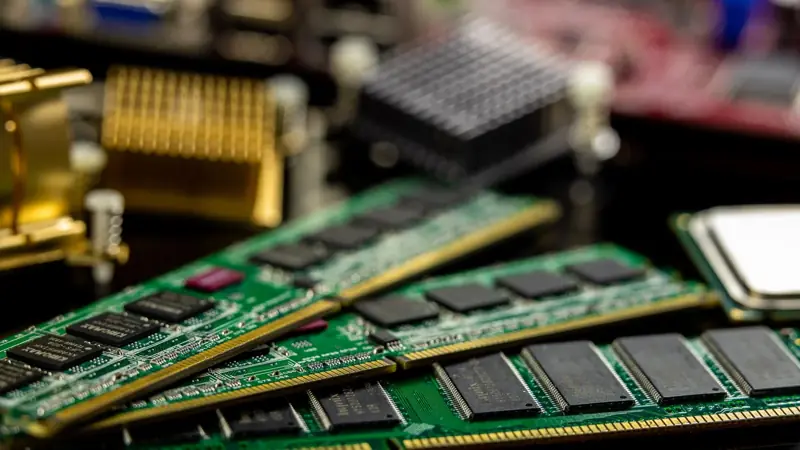
ChangXin Memory Technologies, based in Hefei, makes DRAM, the working memory in every phone, laptop and server. (New to memory types? See DDR5 buying guide and HBM explained.)
- Market share: TrendForce ranked CXMT fourth in global DRAM revenue in Q2 2026, at 9.5%, up from 7.6% in Q1. Samsung had 39.4%, SK hynix 24.9%, Micron 23.3%.
- Factories: two 12-inch DRAM fabs in Hefei and one in Beijing, each up to 100,000 wafers a month, plus new DRAM and HBM lines being developed in Shanghai, as reported by 36Kr and cited by TrendForce (Oct 20, 2026).
The IPO
As reported by Reuters, CXMT raised about 57.92 billion yuan ($8.6B), Asia's biggest IPO of 2026, and listed on Shanghai's STAR Market on Jul 27, 2026. Reuters reported the shares rose 466% on debut.
The numbers (company guidance, as reported)
Per TrendForce's Oct 20 summary of Chinese media reports:
- First nine months of 2026: revenue forecast of RMB 265–270B, more than sevenfold YoY (Star Market Daily).
- Nine-month net profit attributable to shareholders: RMB 131–132.5B, vs a RMB 5.3B loss a year earlier (South China Morning Post).
- Q3 2026: revenue RMB 114.69–119.69B (+15–20% QoQ), net profit RMB 53.40–54.90B, up only 1–4% QoQ (Eastmoney).
- First-half 2026 depreciation rose 27.85% YoY to RMB 14.51B (36Kr).
The slowdown lines up with moderating DRAM price gains. TrendForce still expects DRAM prices to rise about 20% QoQ in Q4 2026. Background: why RAM is so expensive.
The 4F² claim
At an Oct 10 conference, CXMT President Cao Kanyu introduced a 4F² DRAM architecture and plans for server DDR5 RDIMMs based on it by year-end, per TrendForce citing Yicai.
- Today's DRAM uses 6F² cells. 4F² shrinks each cell, which could raise density 30–50% in the same area (MyDrivers, via TrendForce).
- Caveats, also via TrendForce: products may only partly use 4F²; yields, leakage and data retention are hurdles; full commercialization is "generally expected after 2028."
Why buyers care
TrendForce reported that companies including Apple and Tesla have raised the possibility of turning to Chinese suppliers like CXMT and YMTC as memory costs climb. Analysts it cited see limited near-term price relief, because of Chinese suppliers' pricing, volumes and market restrictions.
What to watch
- Oct 31: CXMT's Q3 results.
- Year-end: whether 4F²-based server DDR5 actually ships.
- HBM: the big three are fighting over AI memory (HBM4 race); CXMT isn't a major player there yet.