You've probably seen "neocloud" in AI headlines. It's a simple idea with complicated finances. Here's how it works, using CoreWeave and Nebius's own Q2 2026 numbers, the latest each had reported as of Oct 22, 2026.
What a neocloud is
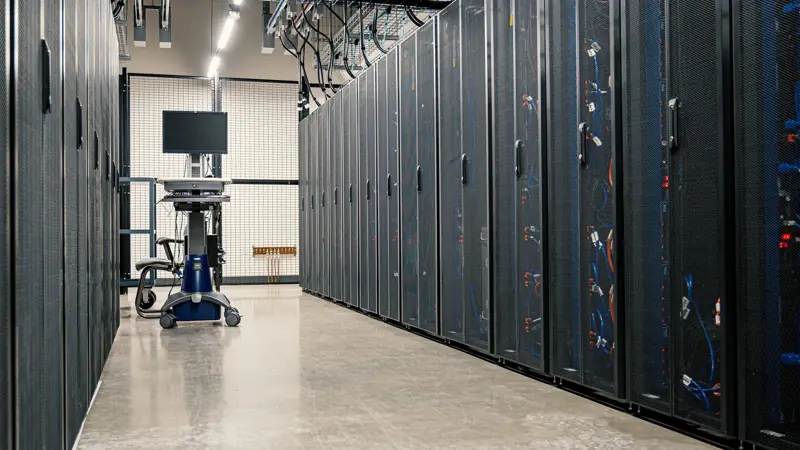
A neocloud buys huge numbers of GPUs, puts them in data centers, and rents that compute to AI labs, startups and enterprises. AWS, Azure and Google Cloud do this too, but alongside everything else. Neoclouds are built around AI.
NVIDIA named both CoreWeave and Nebius among the clouds deploying its Vera Rubin systems in its Aug 26, 2026 results. If you want to know what renting a GPU actually costs, see how much it costs to rent an H100 or B300 and our GPU cloud price tracker.
CoreWeave: Q2 2026 (quarter ended Jun 30)
From CoreWeave's Aug 11, 2026 release:
| Q2 2026 | Q2 2025 | |
|---|---|---|
| Revenue | $2.575B | $1.212B |
| Operating income (loss) | −$49M | $19M |
| Net interest expense | $640M | $267M |
| Net loss | −$626M | −$290M |
| Adjusted EBITDA | $1.51B (59% margin) | $753M (62%) |
Also as of Jun 30, 2026:
- Revenue backlog: about $104B, not counting more than $25B of new commitments added in early Q3.
- Active power: 1.5 GW, with about 3.7 GW contracted.
- Debt: recourse debt of $6.235B current plus $25.17B non-current, and non-recourse debt of $1.278B plus $2.385B (balance sheet).
- Capex: $6.42B of property and equipment purchases in the quarter, against $679M of operating cash flow.
Revenue roughly doubled (our math: +112%). But depreciation ($1.39B) and interest ($640M) ate the gains. That's the model: the GPUs earn money over years, and the bills arrive now.
Nebius: Q2 2026 (quarter ended Jun 30)
From Nebius's Aug 12, 2026 release:
| Q2 2026 | Q2 2025 | |
|---|---|---|
| Revenue | $582.3M | $105.1M |
| Adjusted EBITDA | $236.2M | −$21.0M |
| Net income (loss), continuing ops | −$190.4M | $502.5M |
| Operating cash flow | $2.246B | −$167.7M |
| Property and intangible purchases | $5.657B | $510.6M |
Revenue grew 454% YoY. Nebius's group also includes Avride (autonomous vehicles) and TripleTen (edtech), so not every dollar is AI cloud. The Q2 2025 profit came largely from deconsolidating Toloka, per the release, which is why the YoY net income comparison looks upside down.
The pattern: growth funded by capital
Both companies spent several times their operating cash flow on infrastructure in Q2 2026. CoreWeave said it raised more than $10B of unsecured debt and convertibles and closed a $3.1B term loan in the quarter. That's why investors watch:
- Backlog vs capacity. Contracts are only revenue once the power and GPUs are live.
- Interest costs vs adjusted EBITDA.
- Customer concentration and credit. Who signs the long contracts matters.
Some of this financing is moving into special structures backed by the GPUs themselves; see our GPU-backed SPV explainer. For the bigger picture on whether AI spending pays back, read the AI bubble capex math.
The bear case, in one line
On Oct 14, 2026, Gartner predicted that by 2030, cost pressure and a lack of a differentiating business model will force over 80% of neocloud providers to cease independent operations. It argued that hyperscalers have diversified revenue to fund AI, while neoclouds "must soon earn returns." That's a forecast, not a fact, and it doesn't name companies. More in what impairment means.
What's next
Neither company had reported Q3 2026 as of Oct 22. Nebius's financials page still listed Q2 as its latest results on the evening of Oct 22 (Toronto time). Third-party calendars such as Investing.com list Nov 16 for CoreWeave, which isn't company-confirmed. NVIDIA reports around the same time; see our NVIDIA Q3 preview.